
8 min readPerspectives
What's your perspective on AI?
In one room I sound like a shill and in the other like a sceptic. Both sides of the AI argument arrive with the answer already decided.
Observations about people, work and the assumptions beneath the way we see a changing world.
In one room I sound like a shill and in the other like a sceptic. Both sides of the AI argument arrive with the answer already decided.

AI can remove routine tasks while leaving people with harder exceptions and fewer chances to build judgement. The easy work was carrying part of the job.

Officially a month into product management after years of business analysis, still nerding out about what each of these roles actually does well.
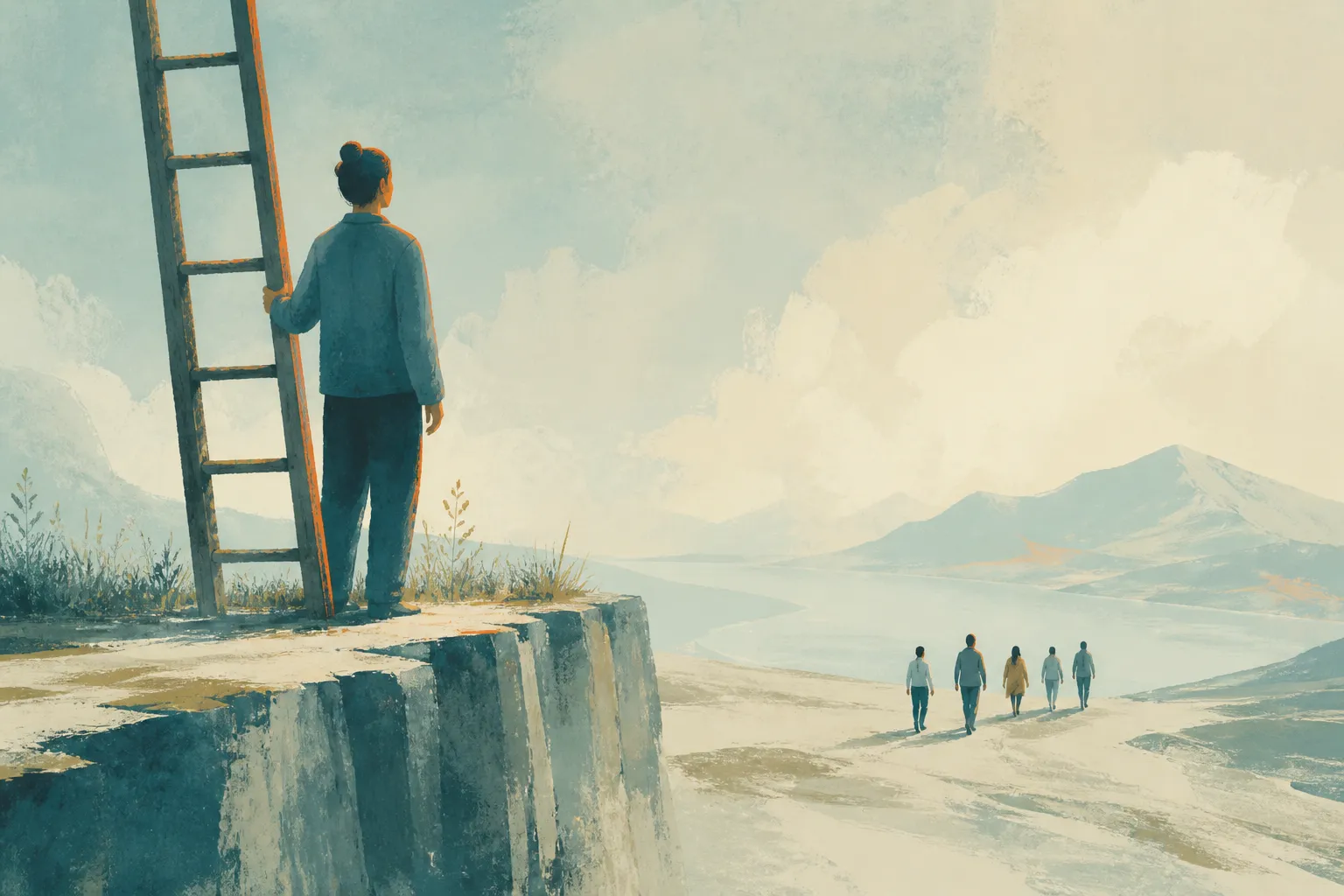
The quality that made you good can become the thing in your way. Why unlearning is harder than learning, and why almost nobody will tell you it's happening.

Knowing what to say and being able to say it are separately acquired. How to get reps deliberately, and when the freeze is information rather than a gap.

You can execute perfectly and still have no structure underneath it. Teaching is the only reliable way to find out what you actually understand.
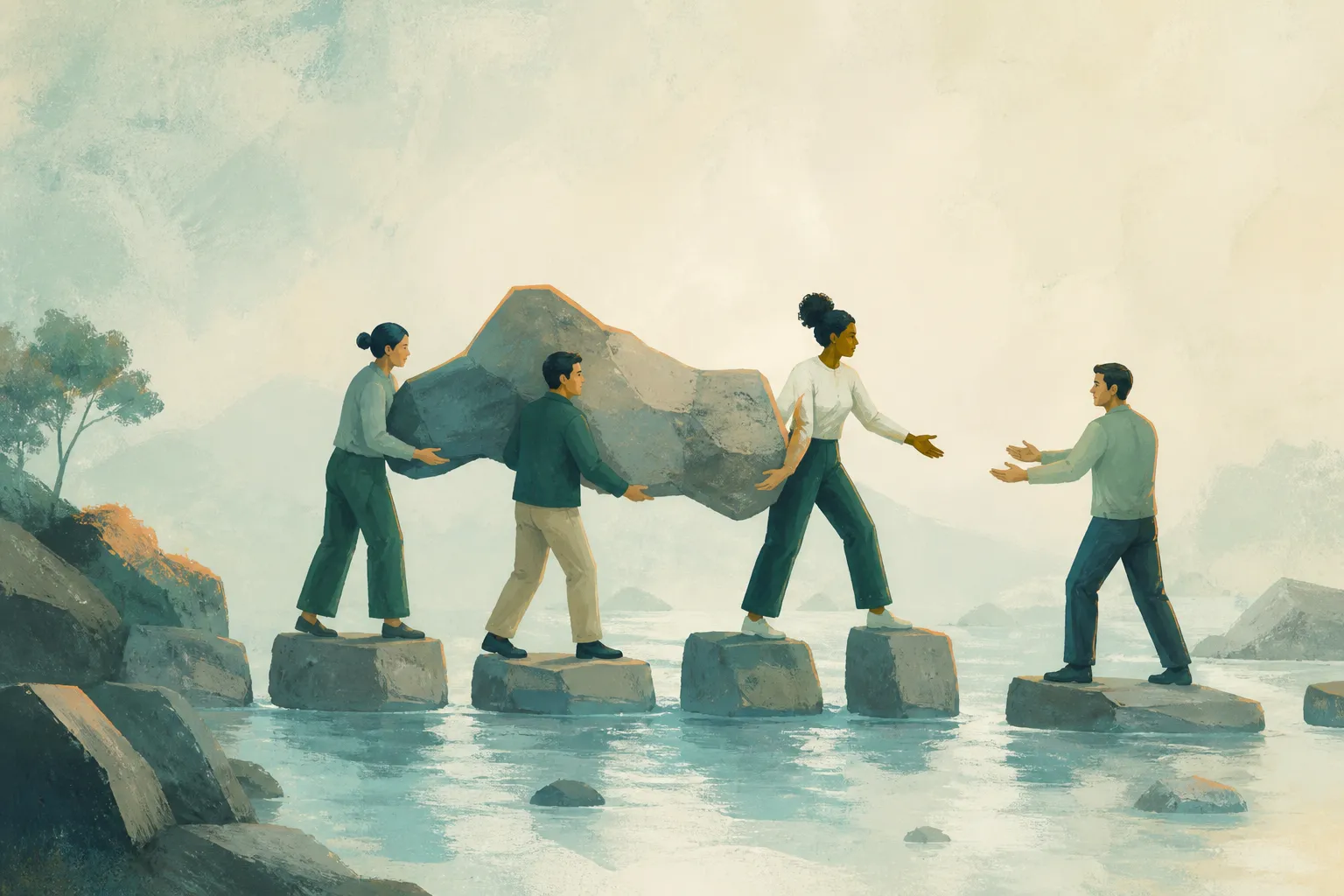
It has almost nothing to do with being agreeable. What being low-friction actually means, why it's worth more now, and when you should stop.

You see all of your work. Your manager sees maybe a quarter, and not because they're bad at their job. For anyone who thinks good work should speak for itself.

Choreography, climbing and a friend who runs at dawn. Why the judgment work needs keeps arriving from things you did for entirely other reasons.

Three kinds of hard, and the dangerous one is indistinguishable from the good one. How to check whether you're learning or just coping.
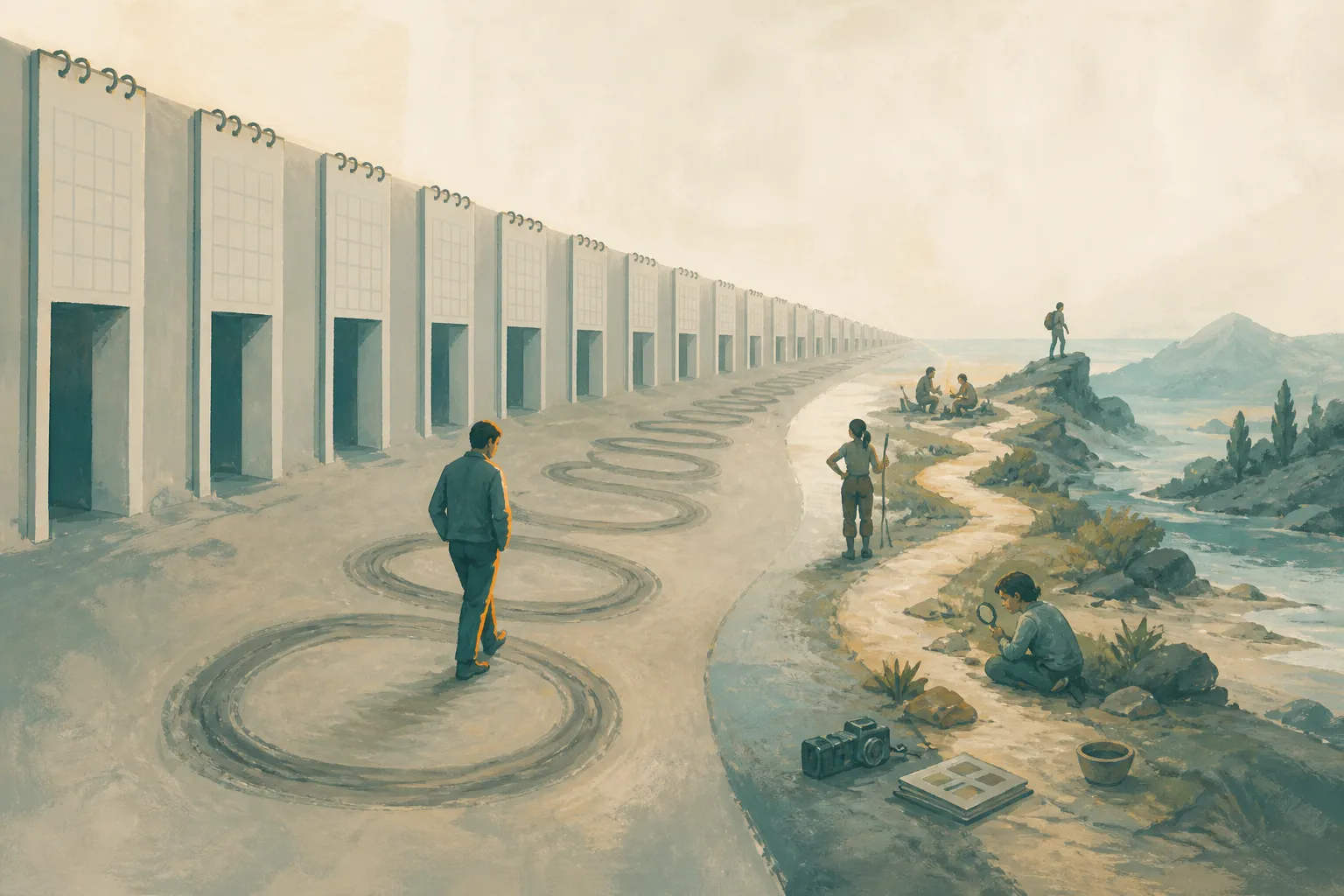
Ten years in one place and five jobs in five years produce the same shallow judgment. Experience is a feedback loop closing on you, not a duration.

Sixty hours in an office, one immovable deadline, and what I learned about my own judgment when appreciation turned out to be the entire transaction.

Detachment is a rational response to corporate work. It also dulls the judgment you were protecting. On caring about the craft rather than the company.
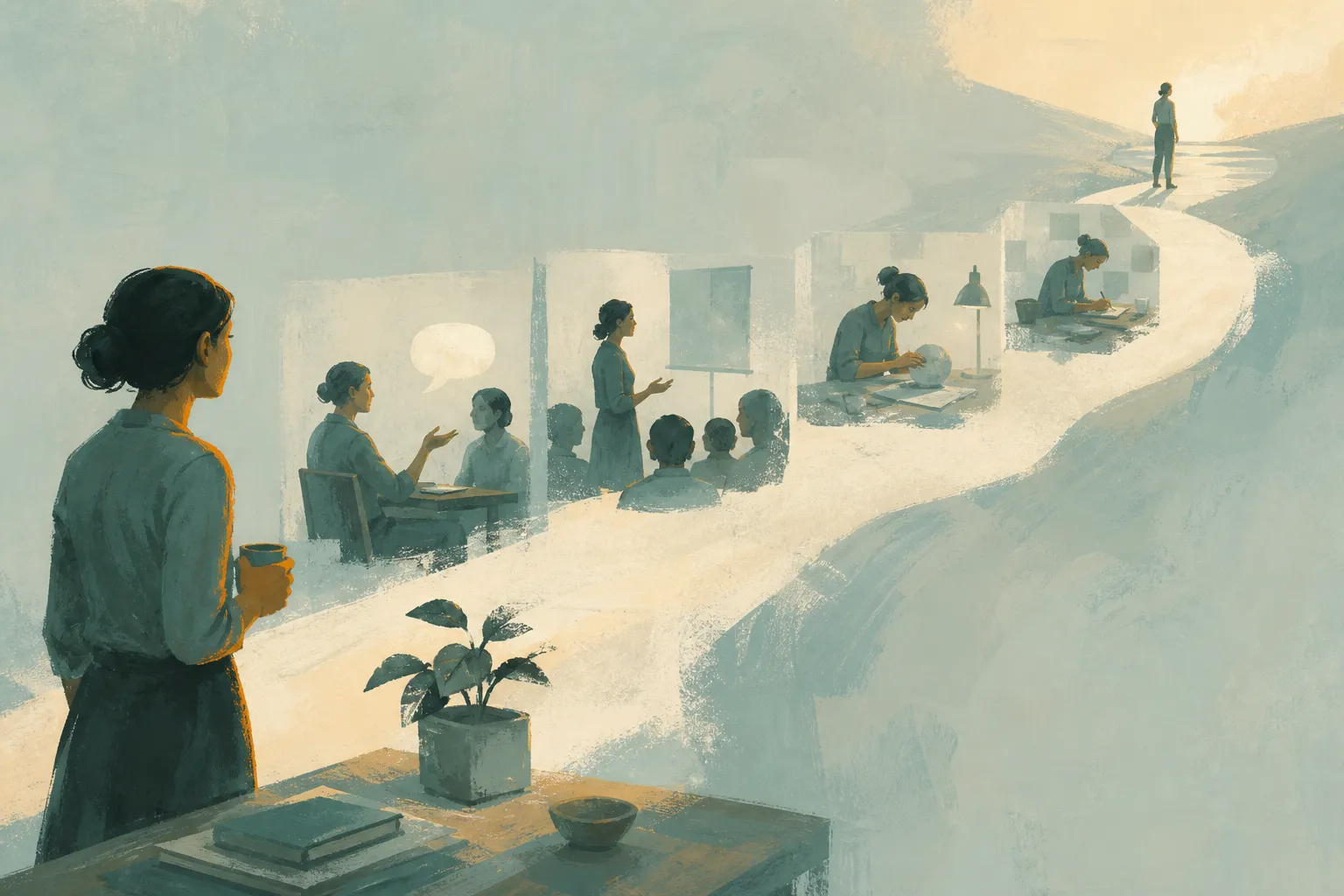
People who handle pressure well aren't less tired. They stay present, which is the switch that lets everything you've already learned actually fire.

Most requests are solutions in disguise. One question, asked at one moment, that saves quarters of wasted work, and the situations where it backfires.

One ordering choice reveals what somebody has been paying attention to. Why leading with reasoning matters more now that execution has become cheap.
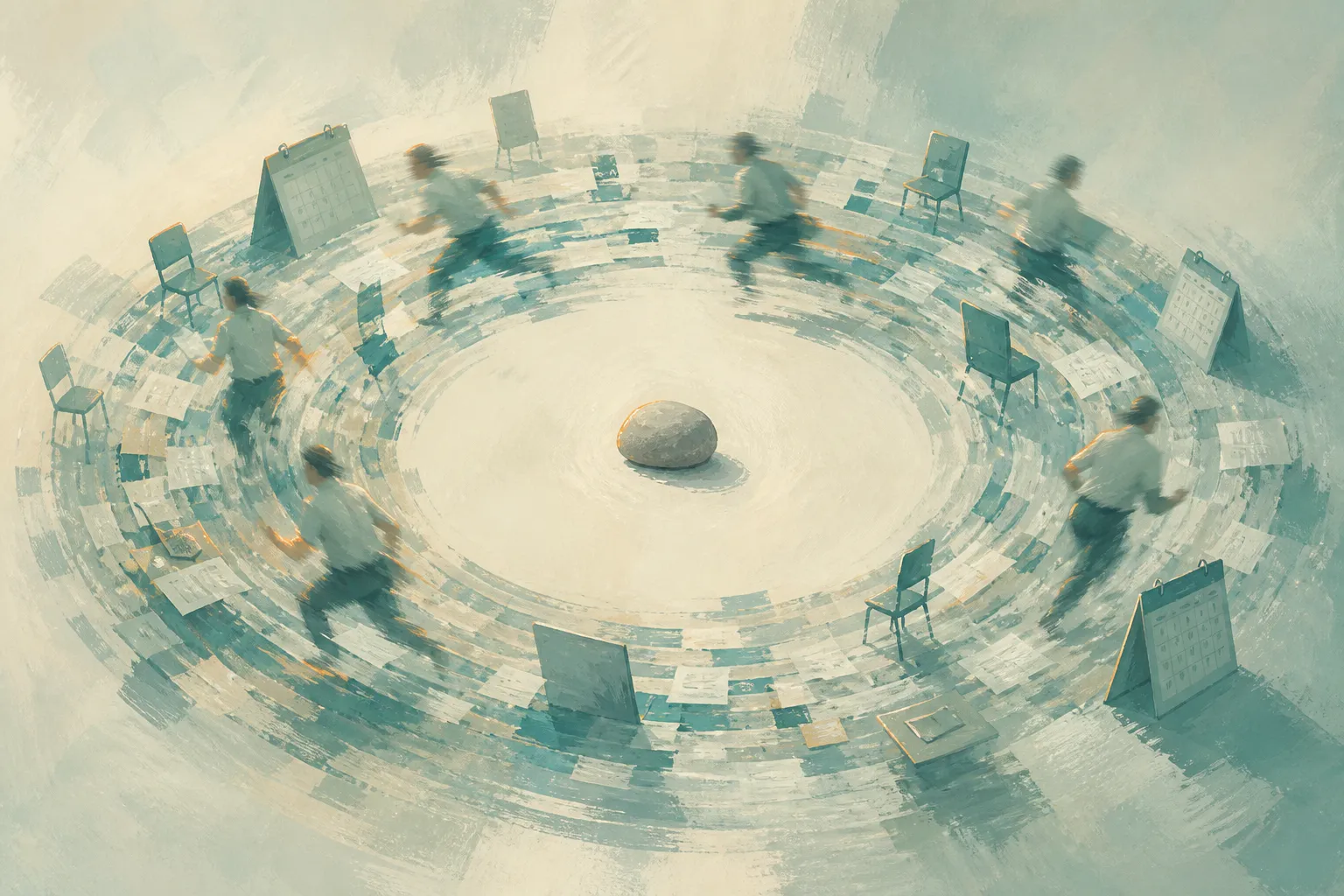
Everyone quotes the eighty-twenty rule and most of us live the inverse. Why attention flows to the small stuff automatically, and what to protect instead.

The laptop is shut and you're still at work. For anyone who can't rest without feeling like they're getting away with something.

The work was fine and I still finished every day flattened. On the difference between a bad job and a lonely one, and the cost of carrying it alone.

Eight years of watching people work, and one rare sentence predicts more than anything else. Three separate qualities, compressed into eleven words.
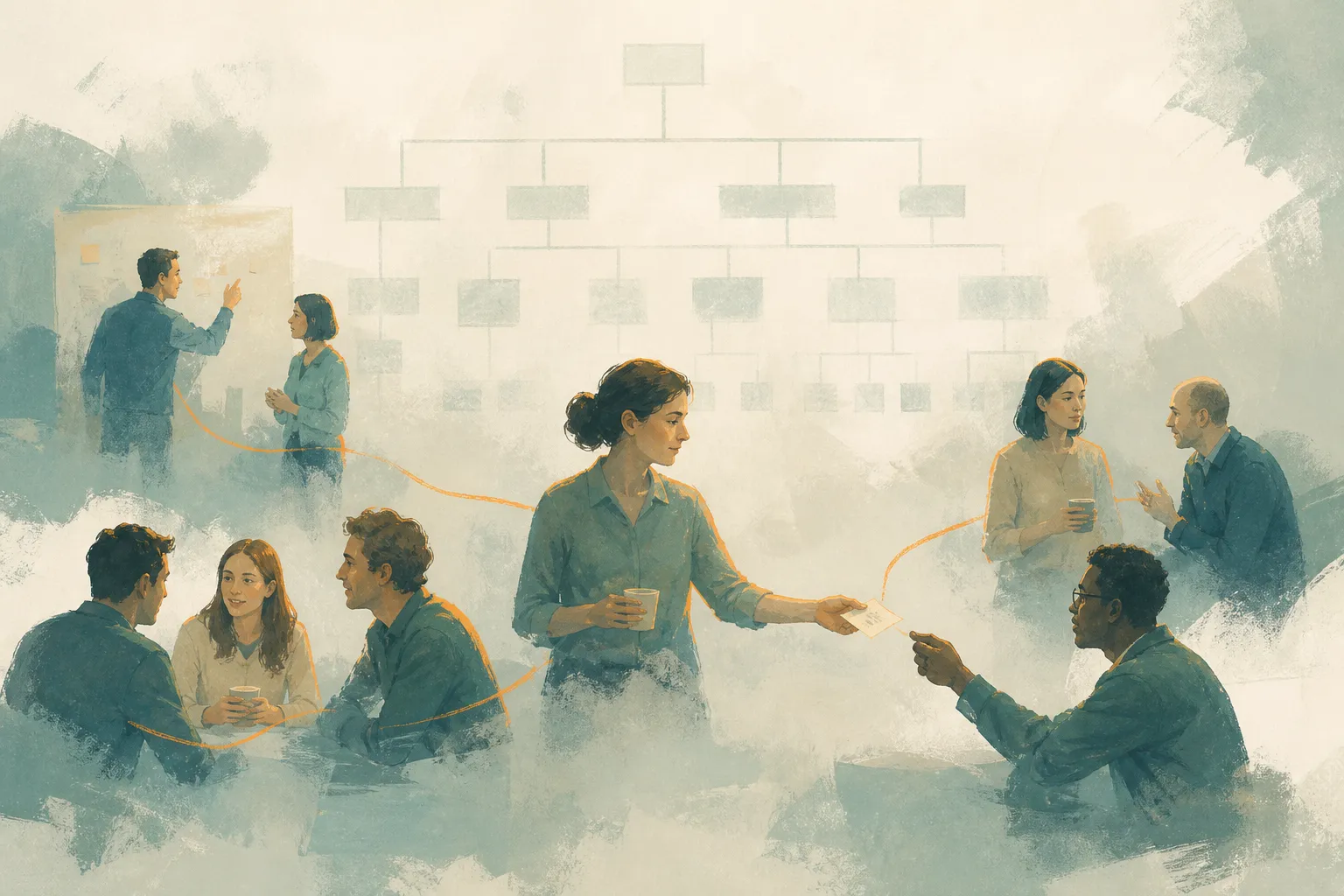
Every project runs on two layers. One is documented and being automated fast. The other decides whether the project lives, and it was never written down.

Language models are built to return the average. Taste is judgment shaped by evidence only you have, which is why it holds value when tools are shared.

Snap judgments feel like discernment and work like a cage. What writing someone off in five minutes costs you, and why AI removed the usual correction.
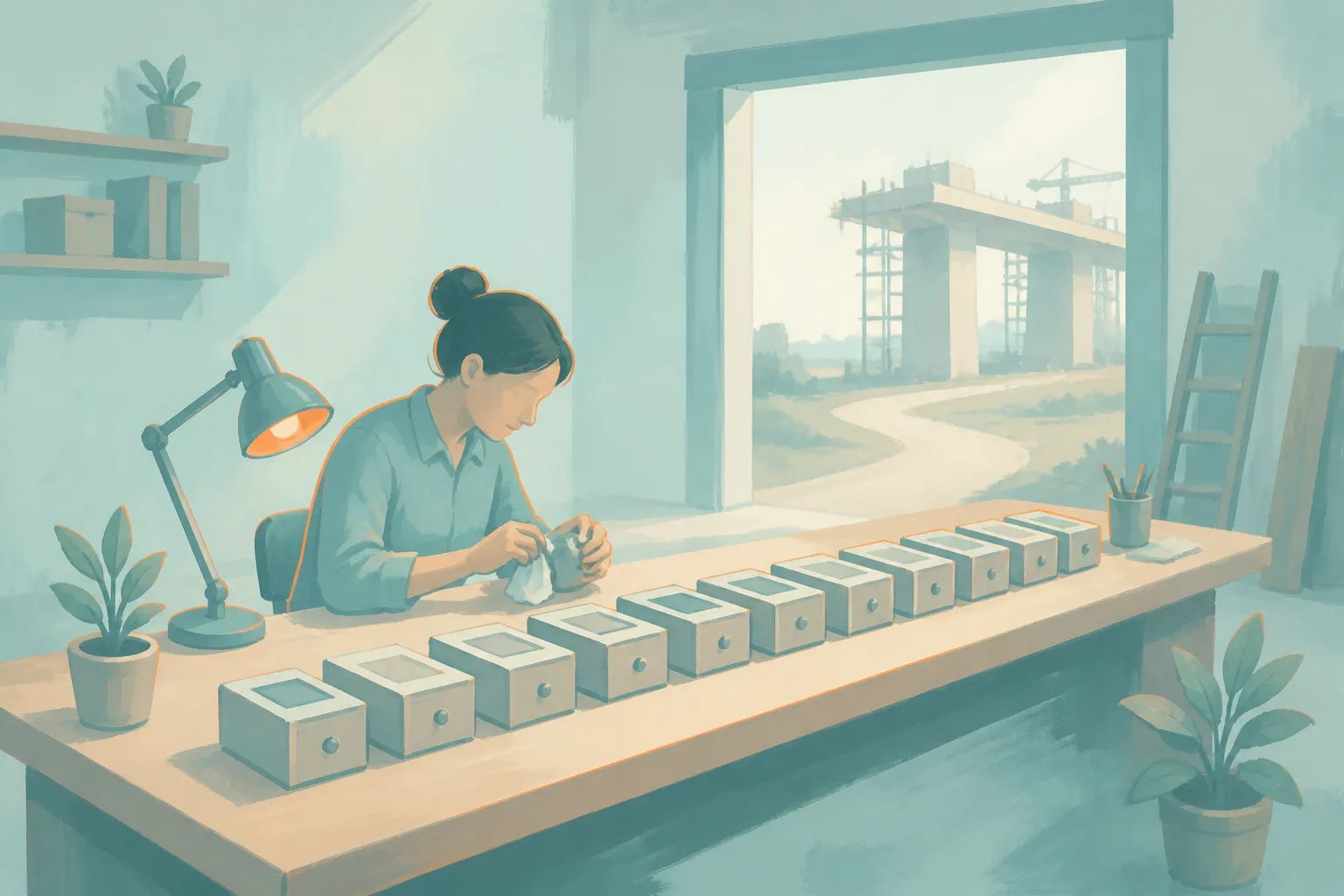
I built an identity out of reliability and hit a ceiling. The difference between describing a week of activity and describing a week of consequence.

You can spend three days on a perfect specification and move nobody's understanding. Why the visible half of knowledge work keeps eating the valuable half.

Two months of renders, palettes and brand guidelines before I made anything. Polish used to prove effort. It doesn't anymore, and that changes things.